


In a world where giant monsters roam and hunters rise to the challenge, the PSP version of Monster Hunter has carved out a legendary niche. It’s not just a game; it’s a lifestyle choice for those brave enough to wield a sword—while simultaneously juggling snacks and dodging the boss’s tail swipe. Who knew monster-slaying could be this much fun?
Overview of PSP Monster Hunter
PSP Monster Hunter stands out as a defining title within the gaming landscape. Its deep gameplay mechanics and engaging multiplayer options have established it as a staple for fans of action RPGs.
Game Background
Monster Hunter debuted in 2004, gaining traction for its cooperative play and extensive weapon options. Players embark on quests to hunt massive creatures, engaging in battles that require strategy and skill. Weapon types include swords, bows, and hammers, each providing unique gameplay experiences. Environments vary from lush forests to arid deserts, creating diverse hunting grounds that challenge players. The game emphasizes teamwork, driving players to collaborate, strategize, and share resources to achieve victory.
Release and Reception
The PSP version launched in 2005, quickly capturing the attention of gamers. This iteration expanded the franchise’s audience, achieving critical acclaim for its graphics and gameplay depth. Sales figures reached over 4 million copies, confirming its impact in the market. Reviewers praised its immersive world and complex systems, noting that it transformed gaming into a social experience. Community support and ongoing expansion packs enhanced its longevity, cementing its place in the hearts of players.
Gameplay Mechanics
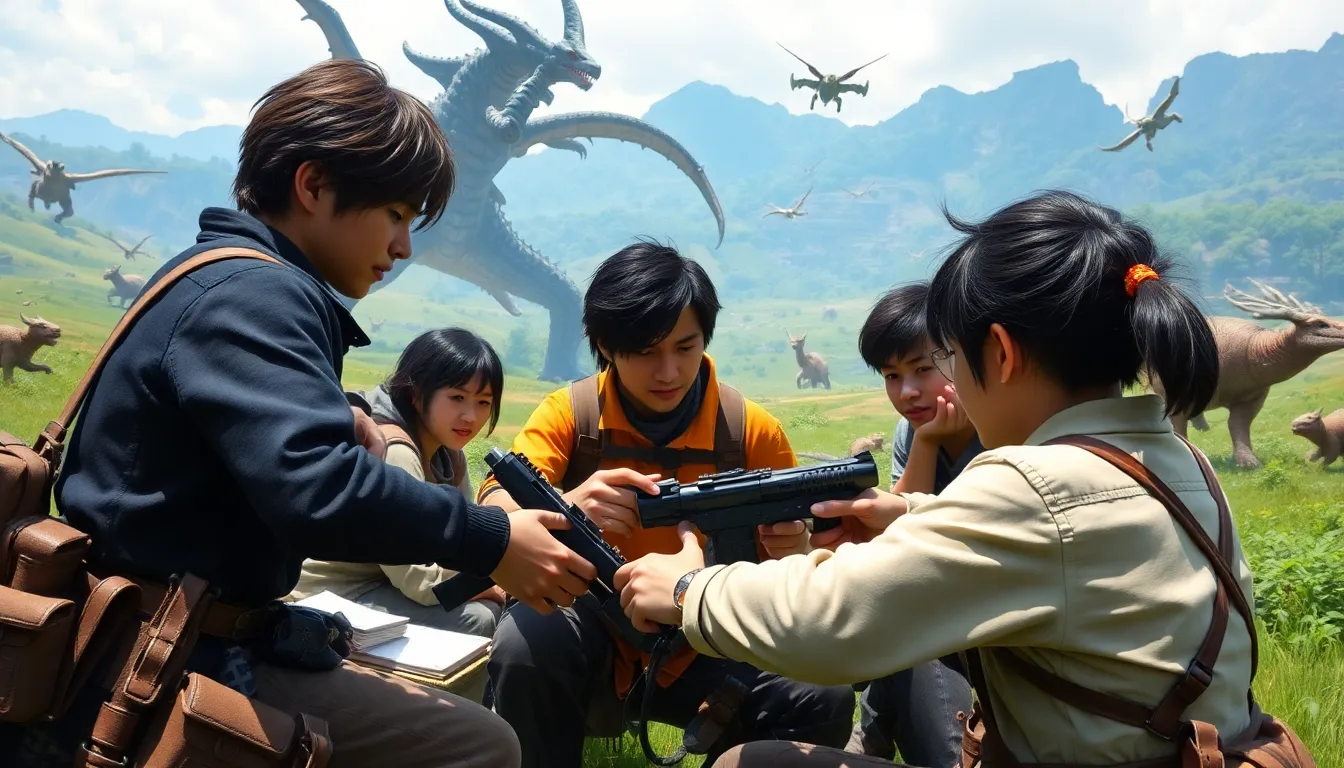
Gameplay mechanics in PSP Monster Hunter create an engaging and strategic experience. Players immerse themselves in a world filled with challenges and cooperative elements.
Combat System
Combat encompasses a variety of techniques and strategies. Each weapon type—swords, bows, and hammers—offers distinct advantages and unique moves. Players must master specific attacks to effectively counter different monster behaviors. Timing and positioning play crucial roles in avoiding enemy attacks and landing critical hits. A robust stamina system influences combat, requiring players to manage actions carefully. Applying combos enhances attack effectiveness while maintaining agility. The game’s reliance on multiplayer mechanics encourages teamwork, as players coordinate attacks and share strategic responsibilities.
Quest Structure
Quests form the backbone of gameplay progression. Each mission presents distinct objectives, from hunting specific monsters to gathering vital materials. Players navigate diverse environments that challenge their combat skills and adaptability. Tracking monsters ensures players engage with the game’s dynamic world. Completing quests yields rewards, including new equipment and crafting materials. A quest’s difficulty influences preparation, requiring players to select appropriate gear and strategies. Timed missions inject urgency, heightening the overall excitement of the hunt. Engaging in cooperative quests promotes teamwork, enhancing the social aspect of the gameplay experience.
Graphics and Sound
Monster Hunter on PSP delivers an impressive audiovisual experience that enhances gameplay immersion.
Visual Presentation
Graphics in Monster Hunter showcase a vibrant and diverse world. Environments range from lush, detailed forests to expansive, arid deserts, captivating players with their immersive design. Character models exhibit rich detail, reflecting various armor sets and weapon designs. The monsters, with their unique animations and lifelike movements, create a dynamic atmosphere. Additionally, lighting effects contribute to the game’s realism. This graphical quality impressed gamers and critics alike, solidifying its position as a standout title on the platform.
Audio Experience
Audio plays a crucial role in Monster Hunter’s overall experience. Sound effects effectively bring the environments to life, capturing the rustle of leaves and the roar of various monsters. A dynamic soundtrack accompanies players throughout their quests. Music shifts in intensity during battles, enhancing the thrill of combat. Voice acting adds depth, making the characters more relatable. These auditory elements immerse players further into the world, enhancing cooperative gameplay’s emotional impact. The sound design significantly contributes to the game’s reputation as a beloved entry in the franchise.
Community and Multiplayer
The community surrounding PSP Monster Hunter significantly enhances the overall experience. Engaging multiplayer features unite players in thrilling quests.
Online Features
Online capabilities transformed Monster Hunter into a dynamic cooperative experience. Players can connect via ad-hoc multiplayer, allowing them to team up for hunts anywhere. Through this connection, camaraderie builds as friends and new players join forces to tackle imposing creatures. The integration of voice chat facilitates real-time strategy discussions. In quests, players can share resources and strategies efficiently. As a result, this fosters a collaborative environment where effective teamwork leads to victories.
Player Interaction
Player interaction thrives in Monster Hunter, emphasizing socialization. Players engage in various activities such as trading items and sharing achievements. Emotes and gestures express satisfaction or frustration during hunts. Such interactions create a sense of camaraderie within the player community. Discussion forums and social media platforms also allow players to exchange tips and experiences. This culture of sharing knowledge enhances gameplay. Events and tournaments organized by fans encourage competitive play and strengthen community bonds. They celebrate player achievements and foster a vibrant gaming atmosphere for all.
Impact on Franchise and Legacy
The PSP version of Monster Hunter significantly shaped the franchise’s trajectory and legacy within the gaming industry. Not only did it capture a wide audience, but it also established a blueprint for future action RPGs.
Influence on Future Titles
Developers drew inspiration from the success of the PSP title, implementing similar cooperative mechanics and expansive worlds in subsequent games. Titles such as Monster Hunter 4 and Monster Hunter World reflect advancements in graphics and gameplay while retaining core elements from the PSP version. Innovations, such as improved multiplayer features and refined combat systems, build upon the foundational mechanics introduced in the PSP installment. This model for community engagement paved the way for future releases to enhance social aspects, making collaboration among players a key selling point.
Continued Popularity
Popularity remains strong due to frequent updates and community-driven content, keeping players engaged over time. Events and seasonal updates provide fresh experiences, fostering a continuous sense of discovery. Players often partake in multiplayer hunts, emphasizing teamwork and strategy, attributes that resonate from the PSP version. A robust fanbase ensures that discussions and tips circulate regularly, contributing to sustained interest. Merchandise, collaborations, and crossovers further ignite excitement within the community, allowing the legacy of PSP Monster Hunter to thrive.
PSP Monster Hunter has left an indelible mark on the gaming landscape. Its blend of strategic gameplay and cooperative mechanics has fostered a vibrant community that thrives on collaboration and shared experiences. The game’s immersive graphics and compelling sound design further enhance its appeal, drawing players into its rich world.
As the franchise continues to evolve and inspire new titles, the legacy of the PSP version remains strong. It not only set the stage for future innovations but also created a lasting bond among players. The excitement surrounding Monster Hunter endures, ensuring that it will continue to be a beloved staple for action RPG enthusiasts.


