


In a world where energy is king, elemental well generation is the unsung hero we didn’t know we needed. Picture this: harnessing the raw power of nature to fuel your adventures, all while keeping your carbon footprint as light as a feather. It’s like finding out your favorite superhero has been living in your backyard the whole time.
This innovative approach not only maximizes efficiency but also adds a sprinkle of excitement to your energy game. Whether you’re a seasoned pro or just dipping your toes into the green revolution, understanding elemental well generation can transform the way you think about energy. So buckle up and get ready to dive into a realm where nature meets technology, and discover how this game-changer can elevate your energy strategy to new heights.
Overview of Elemental Well Generation
Elemental well generation harnesses natural energy sources, merging them with advanced technology. This method captures various elemental forces such as wind, solar, and geothermal energy. It provides a sustainable alternative to traditional energy production, enhancing overall efficiency in energy systems. Research indicates that this approach significantly reduces greenhouse gas emissions, contributing to a lower carbon footprint.
Many industries integrate elemental well generation, recognizing its potential in energy strategies. This integration supports diverse applications, including residential, commercial, and industrial energy needs. The technology adapts to different environments, making it versatile across various settings.
Incorporating elemental well generation encourages innovation in energy management. It allows for optimized resource allocation, ensuring that energy production aligns with demand. As communities adopt this method, they experience greater energy independence. Increased reliance on renewable sources strengthens resilience against fluctuations in fossil fuel markets.
Preference for elemental well generation grows among policymakers and business leaders. They see the benefits of cleaner energy options and prioritize sustainability. With continuous advancements, the efficiency of these systems improves, making them more accessible. Elemental well generation not only addresses environmental concerns but also enhances long-term economic viability.
Mechanisms Behind Elemental Well Generation
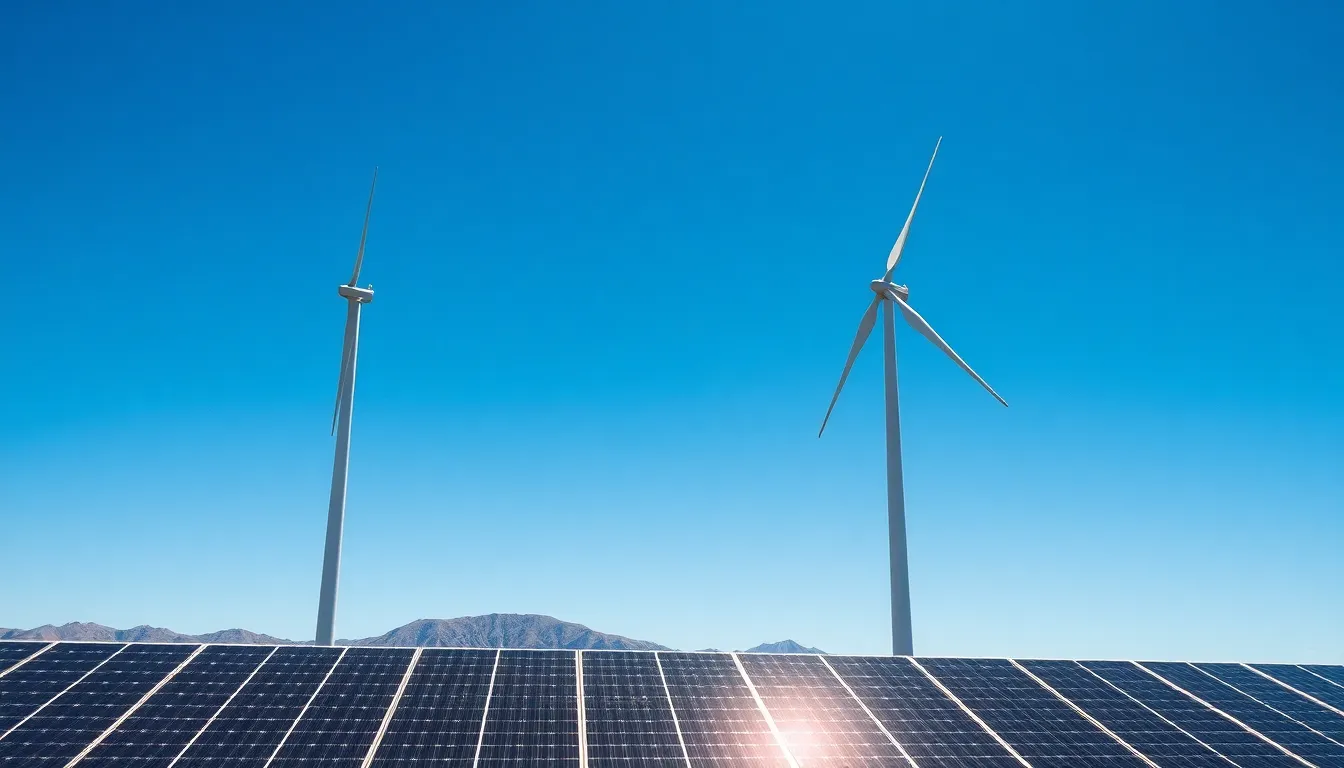
Elemental well generation utilizes innovative techniques to produce energy efficiently. Understanding the underlying mechanisms facilitates better implementation and maximizes benefits.
Types of Elemental Wells
Various types of elemental wells exist, each designed to capture specific natural resources. Solar wells harness sunlight, converting it into electricity through photovoltaic panels. Wind wells utilize turbine systems that capture wind’s kinetic energy. Geothermal wells take advantage of Earth’s heat, extracting energy from underground reservoirs. Each well type contributes uniquely to the energy landscape, catering to diverse energy demands and environmental conditions.
Generation Process
Elemental well generation involves several key steps to convert natural resources into usable energy. First, resource capture occurs via specialized technology tailored to the selected well type. During the conversion phase, captured energy transforms into electricity or thermal energy through energy conversion systems. After generation, energy storage systems retain surplus energy for later use, optimizing overall efficiency. This process emphasizes adaptability, allowing it to respond to fluctuating energy needs across various settings.
Benefits of Elemental Well Generation
Elemental well generation offers numerous advantages, particularly in environmental and economic aspects.
Environmental Impact
Elemental well generation significantly reduces greenhouse gas emissions. By harnessing renewable energy sources, this approach contributes to cleaner air and a smaller carbon footprint. Studies indicate that using wind, solar, and geothermal energies leads to a substantial decrease in pollutants. Wildlife and ecosystems benefit from reduced disruption compared to traditional energy production methods. Communities adopting elemental well generation experience enhanced energy resilience against environmental changes. Clean energy options align with global sustainability goals, supporting a healthier planet for future generations.
Economic Advantages
Cost savings emerge as a primary benefit of elemental well generation. Initial investments often become manageable due to decreasing technology prices and government incentives. Long-term operational costs decrease, as these systems utilize free natural resources. Energy independence enhances local economies by reducing reliance on imported fossil fuels. Job creation in renewable energy sectors contributes to economic growth and diversifies employment opportunities. Overall, elemental well generation not only improves energy efficiency but also stimulates sustainable economic development in diverse communities.
Challenges and Limitations
Elemental well generation faces several challenges and limitations that affect its widespread adoption. Initial investment costs remain a significant barrier for many communities. Although technological advancements have lowered prices, the upfront expenses still deter potential users.
Complexity in installation often requires specialized knowledge and labor, which can complicate deployment. Regulatory hurdles and permitting processes also slow down project timelines. Navigating these bureaucratic challenges can prove daunting for developers and stakeholders.
Maintenance needs of elemental well systems can be demanding. Regular upkeep is essential to ensure peak efficiency and longevity, and many communities lack the resources to provide ongoing support. Infrastructure requirements also vary widely, impacting implementation strategies based on location and environmental conditions.
Dependence on natural resources introduces variability in energy production. Fluctuations in weather patterns can affect the output from solar wells and wind wells. Additionally, geographic limitations restrict geothermal energy access in certain areas, limiting options for communities reliant on this resource.
Public awareness of elemental well generation remains limited. Educating consumers about the benefits and functionality of these systems can enhance acceptance but demands organized outreach efforts. Transitioning from conventional energy sources to renewable options often encounters resistance rooted in habits and misconceptions.
Funding opportunities through government incentives encourage growth, yet these programs can fluctuate depending on political climate and policy changes. Uncertainties in funding availability can hinder long-term planning and investment decisions for projects.
Addressing these challenges requires collaboration among policymakers, businesses, and communities. Solutions that prioritize education, funding stability, and streamlined regulations can foster advancements in elemental well generation and improve its feasibility as a sustainable energy alternative.
Elemental well generation stands at the forefront of sustainable energy solutions. By integrating natural resources with advanced technology, it not only promotes environmental stewardship but also enhances energy independence. As communities navigate the transition to cleaner energy, the emphasis on education and collaboration becomes vital.
Addressing the challenges associated with initial investments and regulatory hurdles will pave the way for broader adoption. With growing support from policymakers and business leaders, the future of elemental well generation looks promising. This innovative approach offers a pathway to a more resilient and sustainable energy landscape for all.


